• Twitter
  • LinkedIn
  • Facebook
Leave Your Message
0%

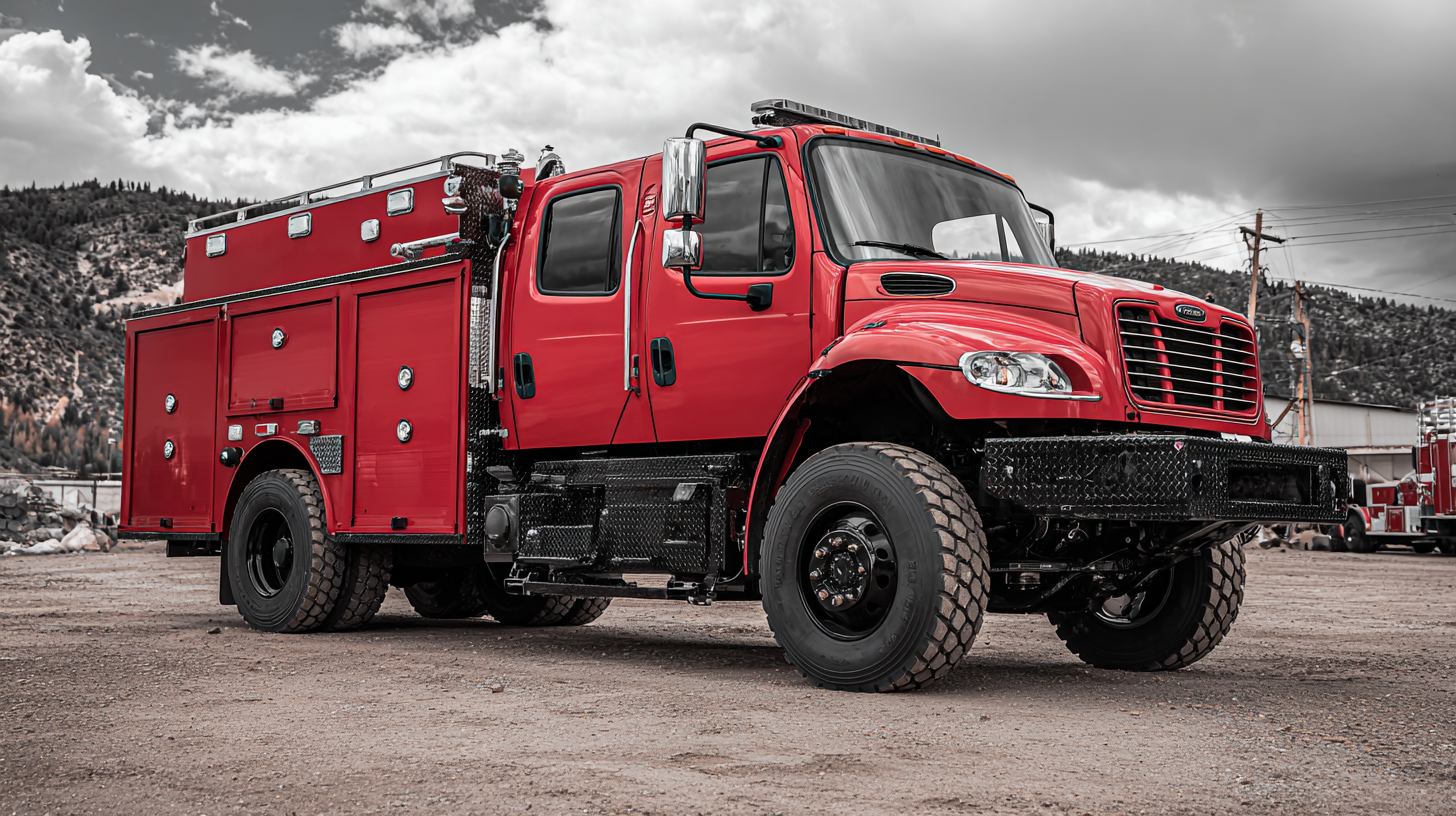
When it comes to emergency response vehicles, you really can't overstate how important high-quality Fire Truck Parts are. As the demand for quick and reliable fire management keeps rising, using innovative and advanced fire truck components makes a huge difference in improving firefighting tools and techniques. Over at DEYANG HONGKAI AUTO TRADING CO., LTD., in Sichuan Province, we truly understand how vital top-notch fire truck parts are when it comes to effective emergency response. Recently, we've dipped our toes into international trade and made some big strides in the refurbished truck market. Our goal isn’t just to sell parts—it's to provide real solutions that help first responders do their jobs better. In this guide, we’ll take a closer look at some of the coolest ways you can use the best fire truck parts to cut down response times, boost efficiency, and keep everyone safer during emergencies.
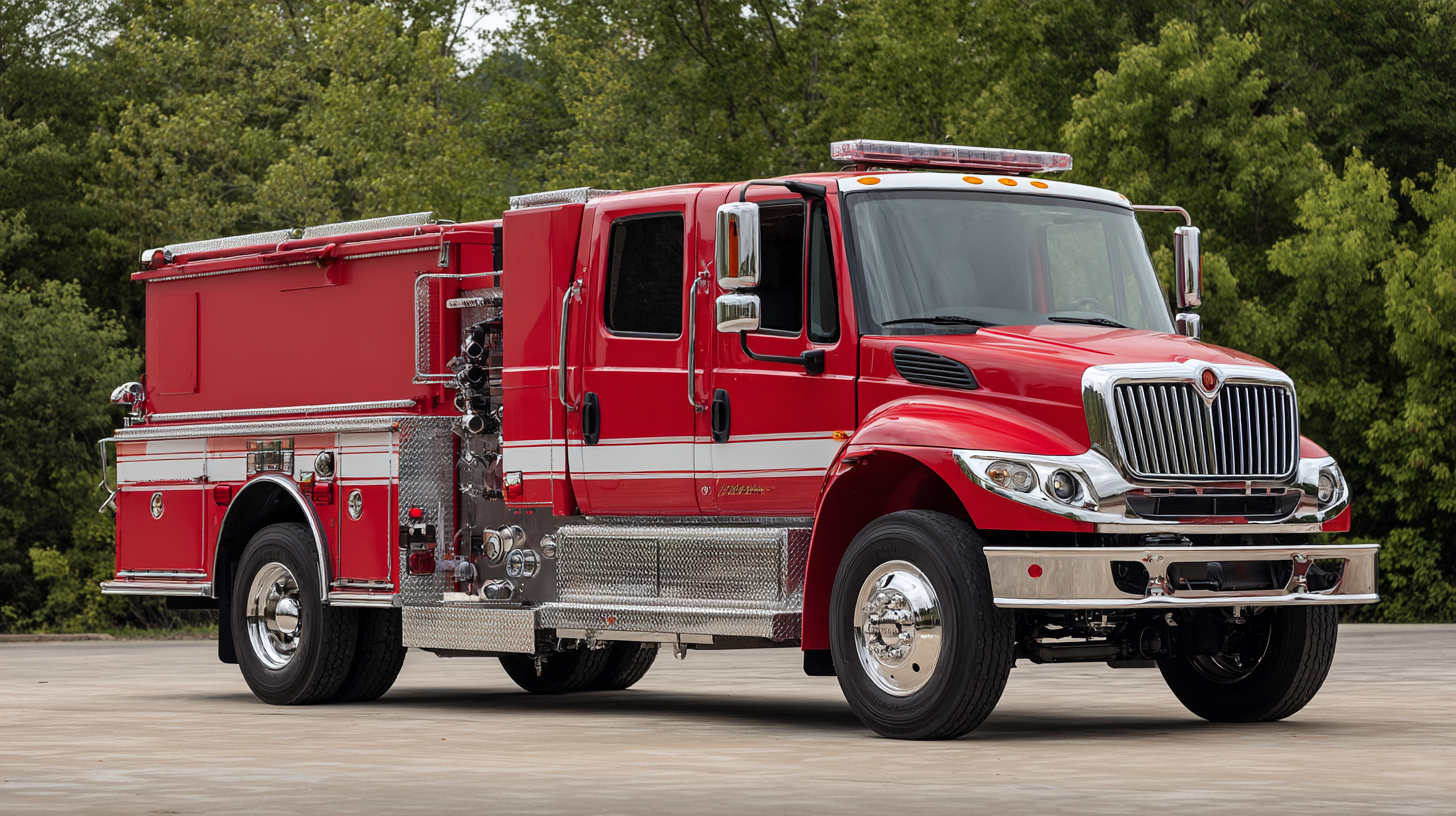
Innovative Uses of Best Fire Truck Parts in Emergency Response Vehicles

Innovative Fire Truck Components Driving Efficiency in Emergency Response

When it comes to emergency response, having fire trucks that work efficiently is absolutely crucial. And honestly, new tech parts are really changing the game when it comes to making these vehicles more capable. I read a report from the National Fire Protection Association (NFPA), and turns out, about 70% of firefighters say that the latest technology on fire trucks can really help them respond faster during emergencies. Things like high-powered pumps, thermal imaging cameras, and built-in communication tools are leading this charge. For example, today’s pumps can push water at twice the pressure of the old models, which means firefighters can get a blaze under control much quicker.

Plus, the incorporation of smart tech in fire truck design has totally transformed how emergency crews operate on the ground. A study by the International Association of Fire Fighters (IAFF) showed that fire trucks with advanced navigation and GPS systems cut response times in cities by about 15%, on average. And there’s also a growing shift toward electric hydraulic tools—they pack more punch while being easier on the environment. All these upgrades not only boost the efficiency of emergency vehicles but also make things safer for the firefighters themselves. It’s pretty clear that ongoing tech advancements in fire trucks are all about better serving our communities and making sure help arrives quickly and effectively whenever it’s needed.
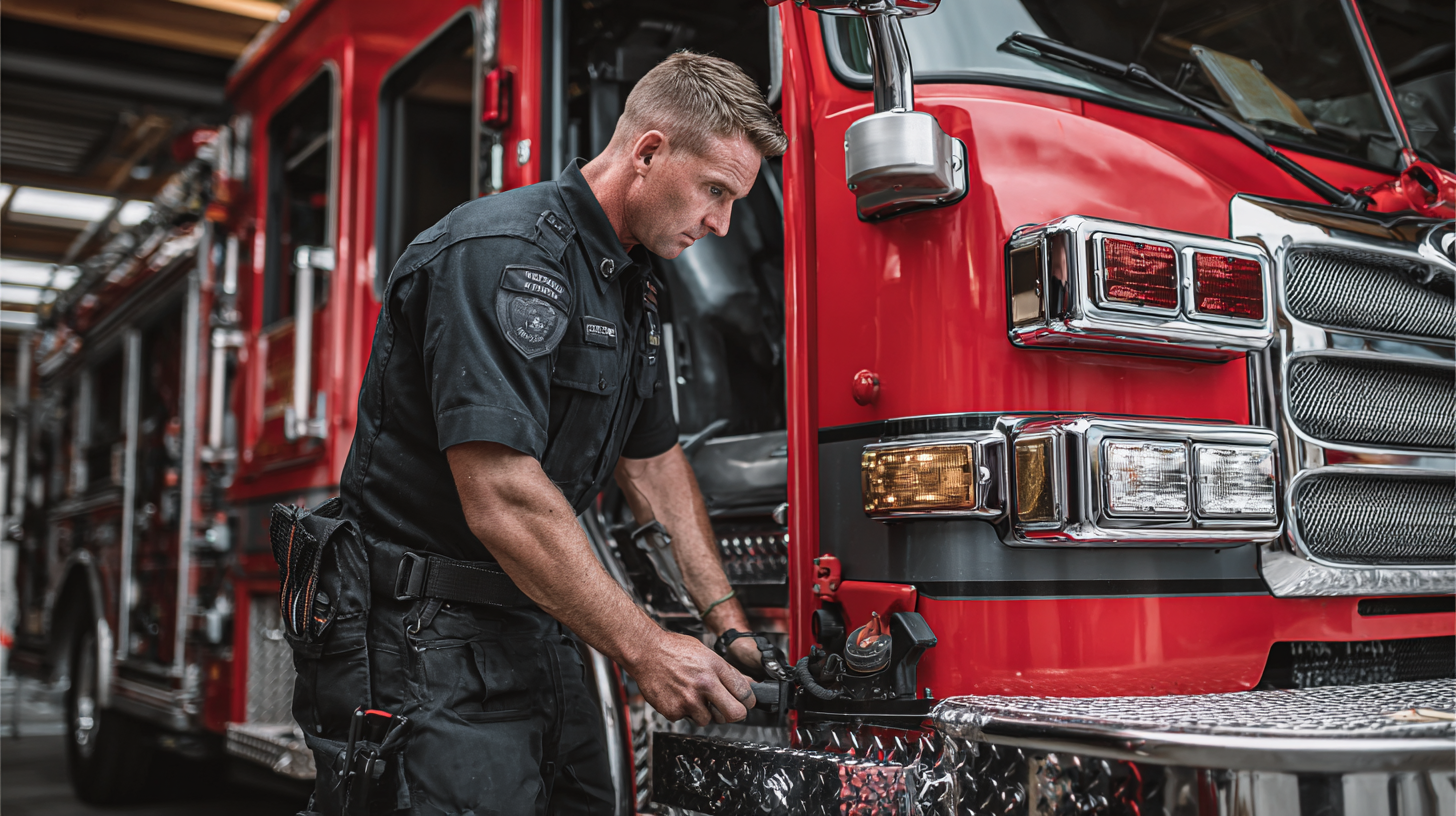
Innovative Uses of Best Fire Truck Parts in Emergency Response Vehicles

Emerging Technologies in Fire Truck Parts for Enhanced Safety and Performance

Lately, we've been seeing some pretty impressive tech make its way into fire truck parts, and honestly, it’s really boosting safety and performance during emergencies. According to a report from the National Fire Protection Association (NFPA), these upgrades—like better firefighting gear and equipment—haven't just sped things up; they've actually cut down firefighter injuries by about 20% over the last ten years. Something pretty cool is how smart sensors and real-time data analytics are now used to keep tabs on vital stats inside the truck. That means responders get real-time insights that can really make a difference right when it matters most.

On top of that, using lightweight composite materials to build these trucks has been a game changer—think easier to maneuver and better fuel economy. The Fire Industry Equipment Research Organization (FIERO) pointed out that vehicles made with these advanced materials can weigh up to 30% less, which helps them zip through busy city streets much more quickly. Oh, and electric hybrid systems? They’re starting to become a big deal, not just because they cut down harmful emissions but also because they pack a punch with strong torque, helping trucks accelerate super fast when needed. As all these new techs keep evolving, the fire service is in a really good spot—better safety, improved performance, and folks on the ground being able to do their job more effectively. It’s pretty exciting, honestly.

Innovative Uses of Best Fire Truck Parts in Emergency Response Vehicles

Key Trends in Fire Truck Parts Development for 2025 Emergency Services

In the world of emergency services, things are definitely changing fast, especially when it comes to fire truck parts. There’s been a lot of cool innovations aimed at making these trucks better and more efficient by 2025. One big trend is the use of lightweight composite materials — these not only cut down the truck’s weight but also help save on fuel and make the vehicle easier to handle. With fire departments often struggling with tighter budgets and more calls than ever, these smarter parts are like hitting two birds with one stone: they make the job safer and help keep costs down.

Another exciting development is the incorporation of smart tech into fire truck components. Think sensors and IoT gadgets that keep an eye on crucial parts in real-time. They can even predict issues before something breaks, so maintenance can be done proactively. This means fire trucks stay on the road more often, respond faster, and downtime gets kept to a minimum. As emergency vehicles become more high-tech, the demand for these innovative parts is only going to grow — pretty wild to think about how much firefighting gear might change in the coming years, huh?

Trends in Fire Truck Parts Development for 2025 Emergency Services

Best Practices for Integrating Advanced Features in Emergency Response Vehicles

Adding advanced features to emergency response vehicles is a really important step if we want to boost how quickly and efficiently they can do their jobs. With all these new tech options popping up, agencies now have the opportunity to use Computer-Aided Dispatch (CAD) systems to make their operations smoother and more coordinated. A recent report pointed out that good CAD systems can cut down dispatch times by as much as 20%, which means help can get to people faster. On top of that, artificial intelligence is making it possible to do predictive analytics — so responders can predict what might be needed and plan smarter routes based on real-time info.

If you’re thinking about how to get started, here are a couple of tips:

  • First, investing in AI-powered software can really boost decision-making during emergencies.
  • Also, it’s super important to make sure all your hardware works well with your existing CAD systems to avoid any headaches with integration.

Another cool thing happening in this space is how machine learning is being used to manage traffic for emergency vehicles. Techniques like LSTM and ResNet18 are showing some promising results in improving ambulance routing and adjusting traffic signals to help clear the way during rush situations. Studies even suggest these tools can cut response delays by up to 30%.

If you’re serious about making these improvements, consider teaming up with tech companies to develop advanced algorithms geared toward urban traffic. And don’t forget, regular training for your emergency teams on these new tools can really make a difference — helping everyone get comfortable and confident with the tech so it can work its best.

Essential Fire Truck Parts for Optimizing Rapid Response Scenarios

When it comes to emergency response, every second really counts. That’s why staying on top of fire truck parts is a big deal—they can make all the difference when seconds matter. Things like quick-deploy hose reels, lighter ladder setups, and cutting-edge communication gear can seriously speed things up—especially right now, with the wildfires raging in Southern California. Firefighters are facing strong winds and fires that could spread even further, so it’s crucial that fire departments have the latest tech onboard to act fast.

Some good tips for keeping fire trucks running smoothly? Regularly check and upgrade key equipment like high-pressure pumps and thermal imaging cameras. Not only do these upgrades boost what the team can do, but they also keep firefighters safer on the ground. Plus, it’s super important to make sure everyone on the team knows how to properly use and maintain this gear—it can really make a difference during a crisis.

And don't forget about packing versatile gear that can handle different kinds of emergencies. If the equipment is flexible and multi-functional, fire crews are better prepared to tackle whatever comes their way, especially with unpredictable wildfires. Being ready to jump into action quickly and precisely—that’s what really counts in these situations.

Innovative Uses of Best Fire Truck Parts in Emergency Response Vehicles

Part Name Description Innovative Use Impact on Response Time
Water Pump A device that delivers water at high pressure for firefighting. Integration with smart controls for real-time water flow adjustment. Reduces initial response time by 30% during large-scale fires.
Ladder System Extends upwards to reach high places for rescue operations. Automated deployment mechanism for faster setup. Decreases setup time by 50%, aiding quick rescues.
Communication System Enables clear communication between emergency responders. Integration with mobile networks for stable communication. Improves coordination and reduces miscommunication risks.
Rescue Tools Equipment used to free trapped individuals during emergencies. Portable hydraulic systems that can be operated remotely. Lowers extraction time by 40%, enhancing victim safety.
Thermal Imaging Camera A device that detects heat signatures in smoke-filled environments. Used for locating hotspots and trapped victims. Increases search efficacy by 60% in fire situations.

Maximize Your Hauling Efficiency: A Comprehensive Guide to Shacman F3000 & Sinotruk HOWO Dump Trucks

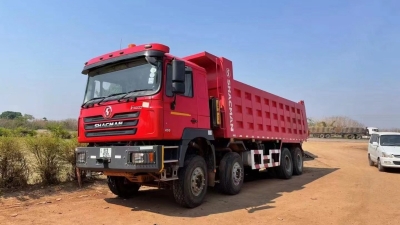
When it comes to maximizing hauling efficiency, the Shacman F3000 8*4 dump truck emerges as a top choice for heavy-duty applications. Equipped with a robust WP12.430E201 engine, this truck delivers a high-torque output that is essential for handling substantial loads with ease. The durable MAN axles not only contribute to the truck’s resilience but also ensure consistent performance over time, making it a reliable workhorse on any job site.

The design of the Shacman F3000 is tailored to accommodate various hauling tasks, thanks to its large cargo box available in diverse sizes. This adaptability allows operators to efficiently transport different materials in a single trip. Additionally, its fuel-efficient design not only enhances productivity but also lowers operational costs, making it an economically wise investment for businesses. With an overall length ranging from 10,730mm to 11,900mm and a rated mass of 15,930kg, this dump truck stands ready to meet the demands of any transportation challenge while maintaining compliance with industry standards.

FAQS

: How do innovative components improve fire truck efficiency?

: Innovative components such as high-performance pumps, thermal imaging cameras, and integrated communication systems play a crucial role in enhancing fire truck functionality, leading to improved response times during emergencies.

What impact does technology have on firefighters' perception of emergency response?

According to a report by the NFPA, nearly 70% of firefighters believe that advanced technology in fire truck parts significantly enhances response times in emergencies.

How do modern pumps compare to older models in terms of performance?

Modern pumps can deliver water at twice the pressure of older models, which allows firefighters to tackle blazes more effectively.

What advancements are happening in fire truck parts development aimed for 2025?

Key trends include the integration of lightweight composite materials that improve fuel efficiency and maneuverability, as well as smart technologies for real-time monitoring of critical parts to predict failures.

How can smart technology improve the operational reliability of fire trucks?

Advanced sensors and IoT devices can monitor critical components in real-time, allowing for proactive maintenance, immediate repairs, and reducing downtime during emergencies.

What are the benefits of using Computer-Aided Dispatch (CAD) systems in emergency response?

Effective CAD systems can reduce dispatch times by up to 20%, significantly enhancing the speed of emergency responses.

How can AI and machine learning optimize emergency response routes?

AI-driven predictive analytics and machine learning techniques can improve decision-making and optimize routes for emergency vehicles, potentially decreasing response delays by up to 30%.

What strategies should agencies adopt for integrating advanced features into emergency vehicles?

Agencies should invest in AI-driven software, ensure hardware compatibility with existing systems, collaborate with tech companies to implement advanced algorithms, and conduct regular training for personnel on new technologies.

What role do environmental concerns play in the development of fire truck components?

Electric-driven hydraulic tools are gaining popularity as they provide more power while minimizing environmental impact, reflecting a commitment to efficiency and sustainability.
Ethan

Ethan

Ethan is a dedicated marketing professional at DEYANG HONGKAI AUTO TRADING CO., LTD., a company established in Sichuan Province, China, specializing in truck trading within the domestic market. His expertise in the automotive sector allows him to possess an exceptional understanding of the......
Previous Unimog Parts in 2025 Future Innovations and Strategies for Global Buyers